
By Authority Magazine Editorial Staff
“The practice of figure skating every day has definitely helped me in all of my endeavors, both running the foundation with my mom, and also being a student and graduating from college early. I found in college that I was one of few very focused students, and I attribute that to years of athletic training.”
he world of sports is not just about physical prowess or competition; it’s an incubator for leadership qualities such as discipline, teamwork, strategic planning, and resilience. Athletes, from amateur levels to professional arenas, often encounter situations that test their limits and require them to step up in ways that mirror the challenges faced by leaders in various fields.
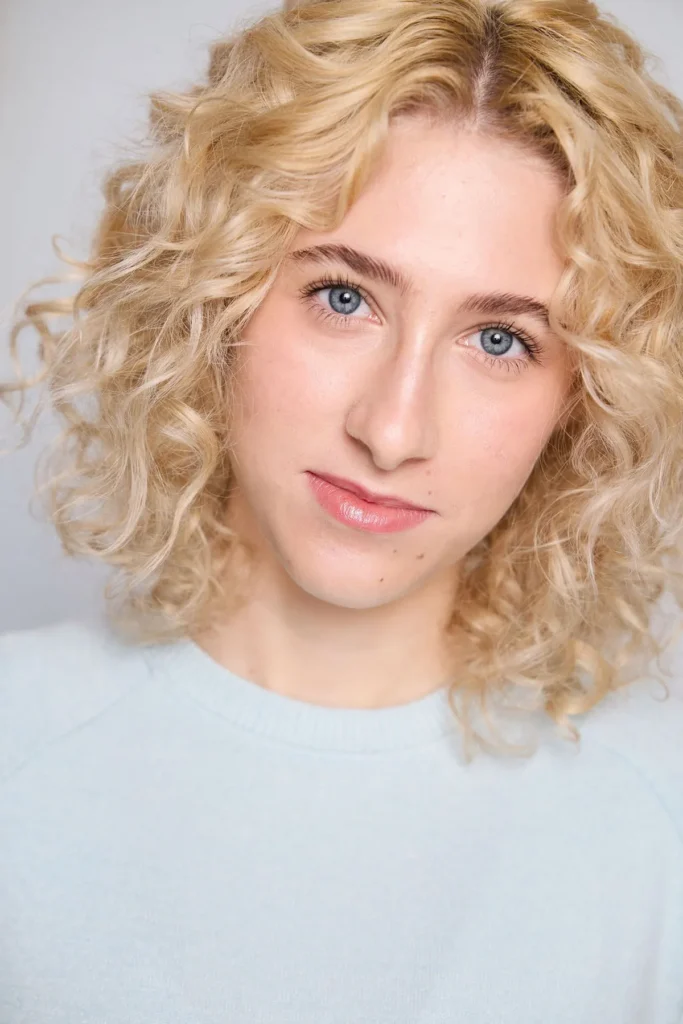
As a part of this series, we had the pleasure of interviewing Marta Eliza Miller.
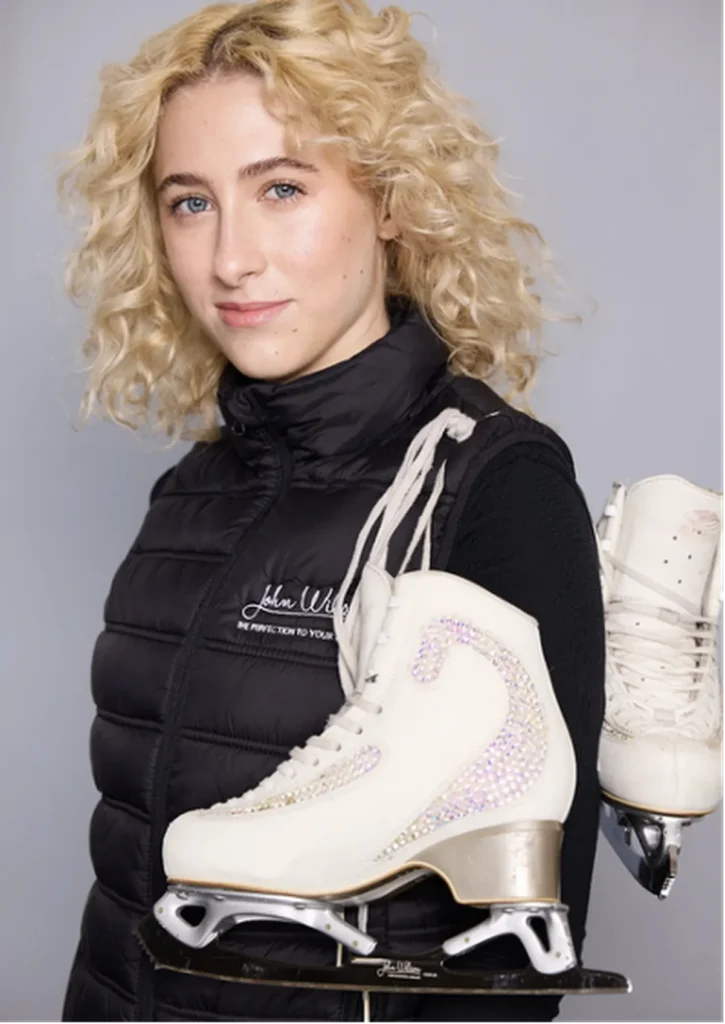
MEMF was founded in 2020 by Marta Eliza Miller and her mother Corrina. At the time, Marta was a 13-year old ice dancer and figure skater for US Figure Skating, and because her scoliosis curve had reached 48 degrees, they were unsure if she would be able to continue skating. Creating the foundation provided a sense of hope and comfort for Marta as she went through various tests, x-rays and MRI’s at Children’s Hospital Los Angeles. Marta was diagnosed with scoliosis when she was 11; she also has a shorter left leg. Because she was athletic, Marta was fit with a velcro flexible brace that she wore for twenty hours a day, during both waking and sleeping hours. Marta worked tirelessly using yoga, acupuncture and various strengthening and stretching techniques to maintain her back strength and was able to continue skating. She’s been monitored bi-annually as a patient of Children’s Hospital Los Angeles (CHLA) since 2019. At age 12, Marta became a Junior Ambassador for CHLA because she wanted to give back to the community that was supportive of her scoliosis journey. Since 2019, Marta has raised over one million dollars for Scoliosis Awareness. In addition, MEMF has provided $475,000 to the Spine Center location in the Jackie and Gene Autry Orthopedic Center for Scoliosis research and awareness, and recently helped fund CHLA’s launch of the new Momentum app. In 2024, an orthopedic patient exam room was named for the Marta Eliza Miller Foundation. And in 2026, the casting room (where casts are put on), was named the Marta Eliza Miller Foundation Casting Room. This year, the foundation looks forward to expanding their reach nationwide.
Thank you so much for joining us in this interview series. Before we dive in, our readers would love to “get to know you” a bit better. Can you share with us the backstory about what brought you to your specific career? What athletics did you participate in?
A friend told me about Ice Skating when I was 6. After my 7th birthday, which was at Roller Skating Rink, I told my mom that I wanted to learn to Ice Skate. She did not know anything about the sport, unlike most ice skating moms. And so she and I began to navigate the sport of Figure Skating. I loved it from the moment I started skating. Because I was homeschooled, I was able to skate four hours a day (2 hours in the morning and 2 in the afternoon) for 5 days a week.
Can you share the most interesting story that happened to you since you started your career?
I’m not sure this is the most interesting story, but when my curve reached 48 degrees, my doctor at CHLA was very concerned and recommended surgery, which was frightening for me at the time because I was so athletic. She referred me to the top doctor at CHLA. We did several tests in the motion lab and then three (3) consecutive MRIs. We weren’t sure that I would be able to continue jumping or skating. The night that the MRI’s were scheduled was the Friday before everything shut down for COVID in early March 2020. No one was at the hospital and it was very eerie for my mom and me walking down the hallway to the MRI. And then, we had to wait the entire weekend for results because the MRI was so late in the evening. They had purposely scheduled it late hoping I would fall asleep since the MRI’s were going to take 2.5–3 hours.
It was that weekend while we were awaiting the results and discussion with my doctor, that my mother and I came up with the concept of the Foundation. I think truly, it was a coping mechanism for both of us, to help calm our nerves, and also come up with a plan if our life was going to change drastically (meaning no longer skating 4 hours a day). Since I was homeschooled, skating was a huge part of my physical education component of school.
I always look back to that weekend and think of the hallway and how scary it was walking around the hospital with no one there. It’s a good representation of how we were feeling and what helped drive us to create the foundation.
Which three character traits do you think were most instrumental to your success? Can you please share a story or example for each?
Discipline — In figure skating, you need to have discipline. You can’t just learn something because you want to do it. You need to have the discipline to go through the correct steps to learn the move properly, and the patience to allow your body to learn the muscle memory required to make a particular move possible.
Focus — Figure skating is very mental. You can be relaxed in your head or stressed in your head. Having good focus puts your mind and body in the right mode to learn.
Desire — Desire means a lot of different things. The Desire to want to skate, or improve. A lot of times you see figure skating moms with the desire and the kids don’t share that desire. If you don’t have the desire, you can’t be successful on the ice.
Ok, thank you for that. Let’s now jump to the primary focus of our interview. Can you share a pivotal moment in your athletic career that taught you a leadership lesson you’ve applied outside of sports?
Wearing a brace and having scoliosis as a young pre-teen was difficult because kids that age are very judgemental; quite frankly, girls in particular can be cruel and mean. I looked different because I wore a brace. And when they heard that I had a shorter leg or that I had scoliosis, immediately to some, I was “weird.” My coach at the time was really fantastic. She encouraged me to wear the brace and when I was hot and needed to take off my longsleeve, she made me feel like I was a strong athlete and encouraged me to ignore the stares or lack of friendship from the other skaters.
I believe this gave me a strong foundation that has helped me in real world situations. There are always people who will judge or be cruel, or have an opinion about who you are as a person. But knowing that those opinions don’t matter as much as your own integrity and approach to life, is what makes you a unique individual. I feel like having scoliosis has only made me stronger. One of the reasons we have the motto: Stand Tall, Be Strong, Dream Big, is because those three things will help you in all aspects of your life.
How has your experience in team dynamics within athletics influenced your approach to leadership in the workplace?
Absolutely. Just like I mentioned before, seeing the dynamics in a sport like figure skating has helped me navigate incredibly well outside of the sport. I am incredibly disciplined, focused and have a strong desire to be the best that I can be. In fact, I recently just graduated college as the youngest graduate in the history of my school — the American Musical Dramatic Academy College of Performing Arts — having just turned 19, with a 4.0 GPA and earning a Bachelor of Fine Arts in Music Theatre.
In what ways has facing defeat or challenges in sports prepared you for handling failure and setbacks in your professional life? What role does resilience play in long term career success?
Resilience is vital to long term career success. There are a lot of aspects to figure skating that are not controllable. You can only control what you can control. And so by accepting that winning does not mean failing, or that winning does not mean success, is a great lesson to learn. I’m no longer a competitive figure skater — one of the reasons is that I am an ice dancer and there are not enough boys in the sport to find a good partner. But that doesn’t define how I feel about the ice. I love skating and will always be a figure skater.
Another quick story, in 2022, I had a SafeSport case against two former coaches for emotional and sexual misconduct and abuse. It was a grueling situation where I had to testify to law enforcement and speak with SafeSport in detail about the case. After the lengthy investigation, the coaches were found guilty, though their punishment was only a four month suspension because I was the first person to bring a case against them.
Throughout the process, I wanted to continue skating, but I was forced to move rinks so that I could be assured of a safe skating environment. I could have easily stopped skating altogether because it was emotionally overwhelming. However, the ice was my home. I was so used to spending time on the ice, I didn’t want to give that up. I felt like I had already given up so much personally.
It was that resilience that has also helped me as a young person navigate so many other aspects in life. I wouldn’t wish that experience on anyone, but I also wouldn’t change what I had to go through because I learned how the system is broken, and I learned how to get up and continue no matter what. And feel like this is just a micro example of what the real world is like. Resilience is key.
How do you apply the discipline and training regimen from your athletic pursuits to your current leadership role?
The practice of figure skating every day has definitely helped me in all of my endeavors, both running the foundation with my mom, and also being a student and graduating from college early. I found in college that I was one of few very focused students, and I attribute that to years of athletic training.
Reflecting on your journey, what specific skills or attributes developed through athletics do you believe are most essential for effective leadership?
Having a daily routine. Making sure that you enjoy what you are doing. And that you are doing it for you.
Ok super. Here is the main question of our interview. Based on your experience, can you please share “5 Ways That Athletics Can Help Train Great Leaders?” If you can, please share a story or an example for each.
1. Focus on your craft.
Don’t focus on others, focus on what you are doing.
2. Enjoy your journey.
Have fun with what you are doing. You learn more when you are happy.
3. Have Discipline.
Be mindful and work as hard as you can, and it will pay off.
4. Eat well.
Fueling your body is important. And being healthy helps you stay focused, enjoy your journey, and have discipline.
5. Relax your mind.
Have an outlet to let go. I have done yoga since I was a baby, and my body craves it, especially after a hard week.
How can our readers further follow you online?
The foundation website is: www.martaelizamillerfoundation.org
My personal website is: www.martaelizamiller.com
And Instagrams for both are:
@m.e.m.foundation
@martelizamiller
Thank you for the time you spent sharing these fantastic insights. We wish you only continued success in your great work!